Key Takeaways
- Set clear basics upfront: In Austin, a lease should clearly define the property, lease length, rent amount, and payment terms to avoid confusion.
- Cover protections and responsibilities: Include rules for deposits, maintenance, utilities, pets, and occupancy to protect the property and clarify duties.
- Ensure legal and enforcement clarity: Add required disclosures, eviction/termination rules, and entry rights to stay compliant and enforce the agreement.
Are you feeling uncertain about what really belongs in your lease agreement? Crafting a solid rental agreement is crucial. A well-drafted lease protects your investment, sets clear expectations, and helps avoid costly misunderstandings down the road.
That’s why Rollingwood Management Inc. is here to guide you through the essentials. Whether you’re managing a single property or a large portfolio, knowing what to include can make all the difference.
Let’s walk through the must-have clauses that keep your rentals running smoothly and legally compliant, right here in Austin, TX.
Get in Touch with Our Experts!
Essential Clauses Landlords Should Include in Rental Agreements
Use our checklist to cover all critical elements and avoid legal headaches down the road.
1. Basic Property Information
Your rental agreement must clearly identify the property to avoid confusion. This includes the full address, unit number, and any distinguishing features.
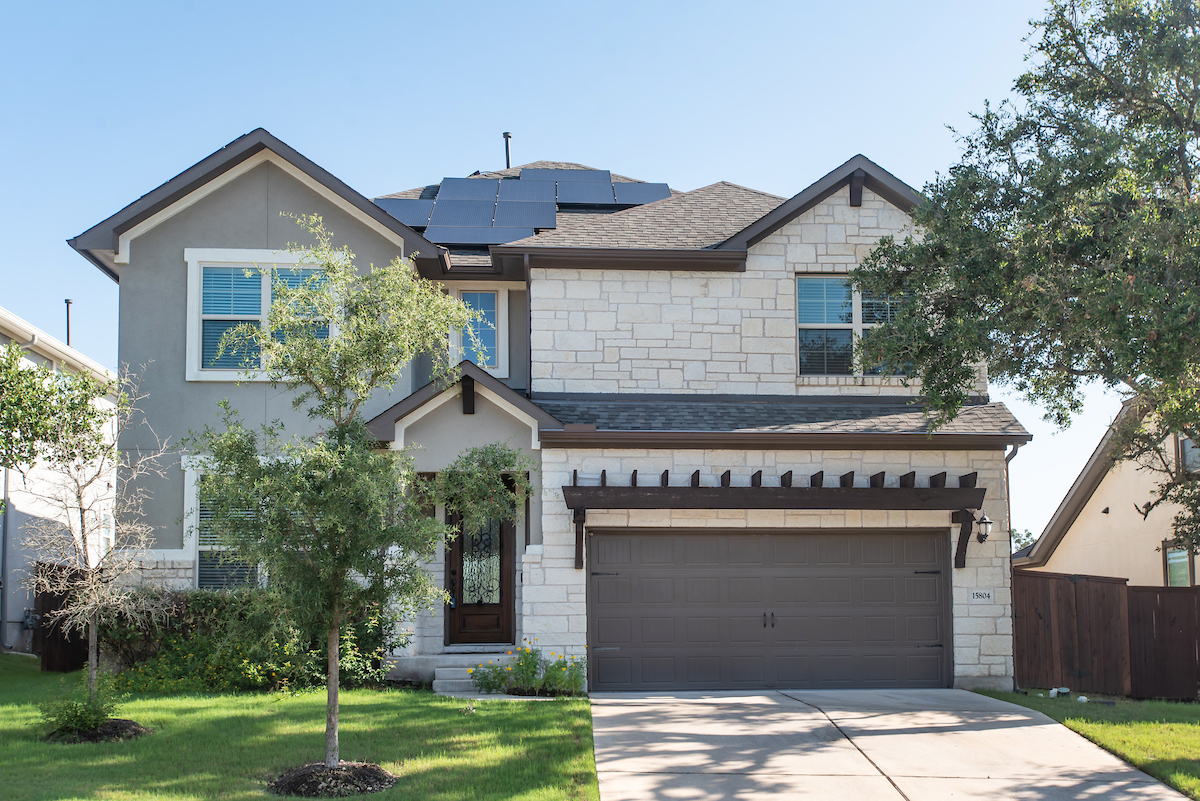
In Austin, TX, precise details help prevent disputes over which property is being referenced, ensuring legal clarity and protection for both you and your tenants.
2. Lease Term Details
The lease term defines the duration of the tenancy, whether it’s fixed (e.g., 12 months) or month-to-month. This section is crucial because it establishes the timeline for occupancy, renewal options, and termination conditions. For landlords in Austin , TX, a clear lease term prevents misunderstandings about how long tenants can stay.
Specify the start and end dates of the lease. If it’s a fixed-term lease, note the exact duration. For month-to-month agreements, state that either party can terminate with proper notice. Include renewal terms, such as whether rent may increase upon renewal. This keeps expectations aligned and protects your investment.
3. Rent and Payment Terms
Rent and payment terms are the backbone of your rental income. This section outlines how much tenants pay, when it’s due, and how to submit payment. For Austin landlords, clarity here avoids late payments and disputes, ensuring steady cash flow and minimizing collection headaches.
Clear rent terms are important, but it is just as important to follow tips to find great tenants who are financially prepared to meet those obligations.
Clearly state the monthly rent amount, its due date, and your accepted payment methods (e.g., check, online transfer). Include late fees, grace periods, and consequences for bounced checks. Be specific about where and how to pay.
4. Security Deposit and Fees
The security deposit is there to cover potential damages or unpaid rent. In Austin, TX, landlords must follow state rules concerning deposits. This section ensures you’re compliant while safeguarding your property .

List the deposit amount and any additional fees (e.g., pet fees). Explain how long you have to return the deposit after the lease ends, and under what conditions deductions can be made. Familiarize yourself with Texas laws to avoid legal issues. This protects both your property and your reputation.
5. Use of Property and Occupancy Rules
Defining how tenants can use your property prevents misuse and wear . This section outlines whether the property is for residential use only, subletting rules, and occupancy limits. For Austin landlords, this ensures the property is treated with respect and avoids overcrowding.
Specify that the property is for residential use only.
Ban subletting unless approved. Include a maximum number of occupants based on local regulations. You may also add rules about guests or short-term rentals. This keeps your property in good condition and compliant with Austin’s ordinances.
Get a Free Rental Analysis!
6. Maintenance Responsibilities
Clearly dividing maintenance duties avoids conflicts and ensures the property stays in top shape. For Austin landlords, this section clarifies who handles repairs, from minor fixes to major issues. It also sets expectations for upkeep, protecting your investment long-term.
List tenant responsibilities, such as lawn care or changing air filters. Provide a process for reporting maintenance requests and emergency contacts.
7. Utilities and Services
Clearly outlining utility responsibilities helps avoid confusion and late payments. This section specifies which utilities the tenant pays for and which you cover. This ensures everyone knows their obligations upfront, preventing disputes.

List all utilities (electricity, water, gas, internet, etc.). State whether the tenant is responsible for setting up accounts or if you handle them. Include policies on transferring services when the lease ends.
8. Pet Policies
Pets can be a great addition to a rental , but they also come with risks. This section outlines if pets are welcome in your property, any fees, and restrictions. For Austin landlords, a well-defined pet policy protects your property while accommodating responsible pet owners.
Specify pet types, size limits, and required deposits. Include rules about vaccinations and behavior. You may also state that tenants are liable for damages caused by pets.
9. Termination and Eviction
A clear termination clause protects everyone. This section explains how the lease can end, including notice periods and valid reasons for eviction. For Austin landlords, this ensures you follow Texas laws while maintaining control over your property.
State required notice periods (30 days for month-to-month, 3 days for lease violations). List grounds for eviction, such as nonpayment or property damage. Include procedures for lease termination to avoid legal pitfalls.
10. Legal Disclosures
Certain disclosures are legally required in Texas. This section covers essential notices, like lead-based paint or mold disclosures. For Austin landlords, including these protects you from legal issues and builds trust with tenants .

Mention required disclosures based on property age and location. For example, if built before 1978, include lead-based paint warnings. Also, note mold and sex offender registry disclosures if applicable.
11. Access and Entry
As a landlord, you need the right to enter your property for inspections or repairs. This section outlines when and how you can enter. For Austin landlords, this ensures you maintain the property without violating tenant privacy.
Specify reasonable notice (usually 24 hours) for non-emergency entries. Include procedures for emergencies, like leaks or fires. Clarify that entry must be during normal hours unless it’s an urgent situation.
Bottom Line
Managing a lease agreement effectively is where the real value lies. At Rollingwood Management Inc., we specialize in crafting customized leases that protect your Austin properties while keeping things smooth for tenants.
Don’t leave your investment to chance. Reach out today to explore how our property management services can give you peace of mind and maximize your returns. Let’s find the perfect fit for your rental goals.